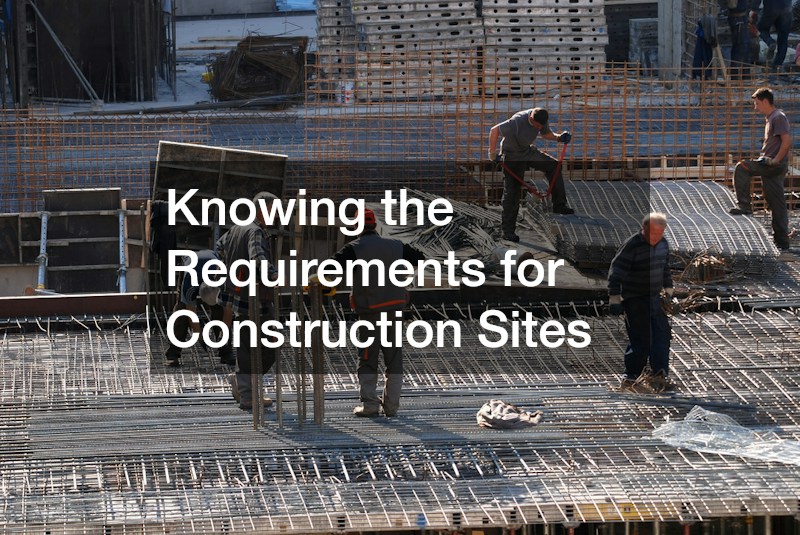
Every commercial build begins long before earthmoving equipment arrives on site. Operating a compliant building project demands a comprehensive understanding of municipal codes, zoning bylaws, and occupational safety mandates. Navigating this labyrinth requires foresight, diligent recordkeeping, and seasoned leadership capable of bridging the gap between design blueprints and local code enforcement.
Securing Jurisdictional Approvals Before Breaking Ground
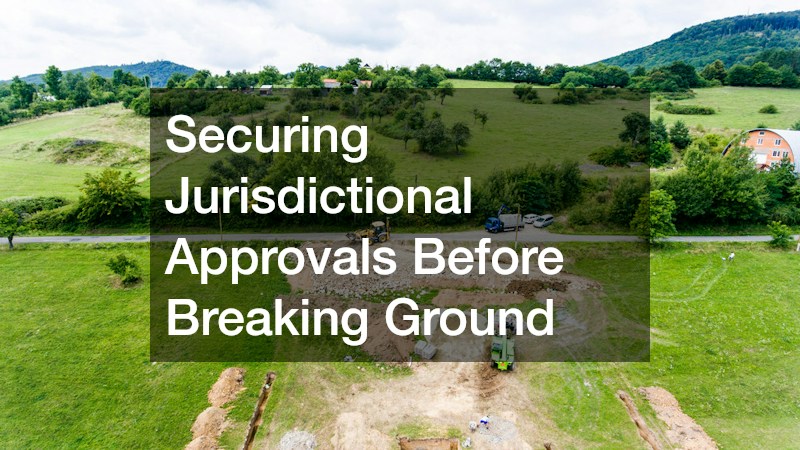
The path to site authorization requires extensive coordination with planning boards, environmental protection divisions, and public works departments. Construction leaders must obtain proper zoning clearances, building permits, grading permits, and utility connection approvals. Missing even one municipal signoff can lead to stop-work orders, steep administrative fines, and costly schedule overruns.
Engaging seasoned commercial construction contractors early in the design phase ensures that site logistics and architectural submittals align with local ordinances. Furthermore, complex land use disputes, right-of-way issues, and easement negotiations often necessitate consults with local lawyers who understand municipality-specific administrative processes.
To establish a solid administrative foundation, project stakeholders should execute the following steps prior to breaking ground:
- Conduct comprehensive title and zoning reviews to confirm that the proposed structure complies with local density, setback, and height allowances.
- Submit detailed grading and drainage plans to local conservation commissions to prevent unpermitted stormwater discharge.
- Verify subcontractor licensure, municipal registrations, and insurance coverages across all relevant jurisdictions.
- Establish clear administrative tracking protocols for permit expiration dates and required interim agency inspections.
Establishing Clear Contractual Allocations and Risk Management
Clear contractual boundaries protect everyone involved in a major build. Construction agreements must articulate the specific division of responsibilities regarding safety compliance, site conditions, delay liabilities, and indemnification. Ambiguity in trade contracts frequently produces operational friction and costly litigation when unforeseen site conditions arise.
Experienced general contractors serve as the central hub for managing these multi-tiered trade agreements and maintaining operational coherence. They ensure that trade specialists adhere strictly to contract terms, project schedules, and regulatory benchmarks.
When structuring development contracts, adhere to these risk management practices:
- Define precise scopes of work that explicitly identify which party procures specific temporary utilities, security measures, and site amenities.
- Incorporate standard indemnification and hold-harmless clauses that align with jurisdictional statutes.
- Mandate ongoing documentation of daily site activities, site orientations, and safety toolbox talks.
- Formulate clear protocols for handling change orders, schedule adjustments, and unexpected subsurface impediments.
Safeguarding the Jobsite Perimeter and Physical Assets

Protecting personnel, structural integrity, and material assets requires a fortified site perimeter. An unprotected building site attracts unauthorized visitors, presents serious liability hazards, and creates opportunities for material theft. Implementing robust physical access controls keeps the surrounding community safe while preventing expensive project delays caused by stolen tools or damaged infrastructure.
Fortifying Entry Points and Implementing Continuous Surveillance
Unrestricted access to an active jobsite creates severe legal exposures and increases the likelihood of catastrophic accidents. Commercial builds must enforce strict access control measures to guarantee that only trained, authorized personnel step foot inside active zones. This involves installing robust perimeter fencing, anti-climb mesh, and self-closing security gates.
Integrating professional construction security solutions helps mitigate after-hours trespassing and internal pilferage. Modern surveillance platforms, incorporating high-definition thermal cameras, motion sensors, and remote monitoring centers, provide complete visibility across blind spots and material storage yards.
To maintain continuous jobsite defense, construction teams should execute several targeted measures:
- Erect eight-foot chain-link fencing around the entire operational footprint, anchoring it securely against high winds.
- Establish a single controlled access gate for all worker check-ins, deliveries, and visitor orientations.
- Deploy mobile solar-powered camera towers equipped with infrared night vision and remote loudspeaker deterrence.
- Post standardized warning signs in multiple languages detailing personal protective equipment requirements and trespassing prohibitions.
Securing High-Value Materials and Heavy Machinery
Raw construction materials represent significant capital outlays, making them primary targets for organized theft. Copper piping, lumber packages, electrical switchgear, and structural hardware must be tracked meticulously from delivery to installation. Loose materials left scattered across staging yards invite opportunism and create physical tripping hazards.
Project coordinators must plan storage logistics around the timely delivery of construction supplies to avoid excessive on-site inventories. Storing materials in locked steel sea containers and utilizing geo-fencing tracking devices on heavy machinery significantly minimizes the risk of asset loss.
Implement these actionable asset management safeguards across your operational footprint:
- Schedule deliveries just in time for installation to minimize the footprint of high-value inventory sitting idle on site.
- Fasten high-value tools and portable machinery inside heavy-gauge steel gang boxes secured with shrouded padlocks.
- Implement digital inventory tracking via barcode scanning to log materials as they are received and consumed.
- Disable heavy machinery battery disconnects and install physical steering wheel locks at the conclusion of every shift.
Managing Environmental Compliance, Waste, and Site Sanitation
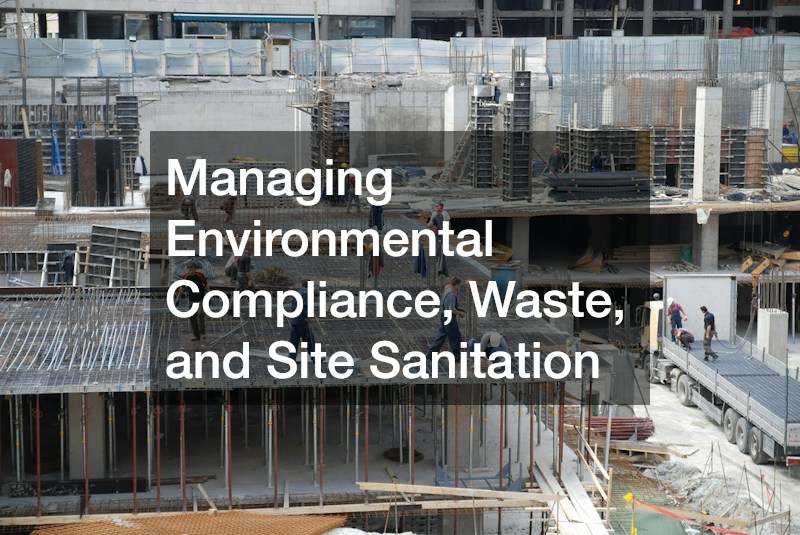
Environmental stewardship and jobsite sanitation are critical regulatory mandates enforced by federal, state, and local health authorities. Construction projects generate enormous volumes of debris, liquid waste, and airborne pollutants that must be mitigated continuously. A clean, sanitary, and organized site prevents structural accidents, safeguards groundwater quality, and fosters trade productivity.
Establishing Efficient Debris Collection and Disposal Logistics
Demolition and ongoing framing generate massive piles of scrap wood, drywall offcuts, masonry fragments, and packaging materials. Unmanaged scrap piles create fire hazards and compromise emergency egress corridors. Construction managers must implement an organized debris staging system that keeps work pathways clear and categorizes waste streams efficiently.
Placing a heavy-duty construction dumpster at strategically designated staging points allows subcontractors to clear interior work areas without bottlenecking pedestrian pathways. For substantial structural projects with fluctuating debris volumes, partnering with a dependable roll off dumpster rental service ensures that full containers are swapped out rapidly, avoiding site-clogging waste overflows.
To optimize waste logistics and maintain clean pathways across the jobsite, apply these operational practices:
- Place waste receptacles close to material handling hoists and central chutes to encourage immediate debris disposal.
- Segregate hazardous materials, such as solvent cans and treated wood, from general clean masonry and timber debris.
- Establish dedicated recycling stations to salvage scrap copper, clean cardboard, and structural steel offcuts.
- Enforce end-of-shift housekeeping sweeps where all trade crews clear debris from their respective work areas.
Delivering Compliant Sanitation and Liquid Waste Services
Federal workplace safety regulations require employers to supply adequate, accessible, and clean sanitary accommodations for workers across all construction phases. Insufficient sanitary facilities lead to health violations, worker dissatisfaction, and significant productivity loss caused by off-site transit. Meeting these sanitation benchmarks demands proper unit ratios, daily sanitization, and dependable servicing contracts.
Contracting a reputable porta potty rental service ensures your team has an adequate number of clean, well-stocked restrooms throughout the build lifecycle. On sites lacking direct municipal sewer hookups, jobsite trailers and temporary washing stations require dedicated septic pumping to maintain plumbing operability and prevent environmental contamination.
Execute the following sanitary management protocols to ensure full regulatory and health compliance:
- Provide at least one toilet facility for every twenty workers, increasing the ratio for multi-shift or large-scale developments.
- Position sanitary stations on stable, well-drained ground within a reasonable walking distance from primary work areas.
- Install supplementary handwashing and sanitizing stations supplied with non-potable water, soap, and disposable towels.
- Arrange for certified vacuum servicing and sanitization at least once weekly, increasing frequency during summer periods.
Mitigating High-Risk Physical Hazards and Incident Liabilities

The physical nature of structural development exposes workers to heavy equipment, high-voltage electricity, elevated work platforms, and dynamic lifting operations. Construction safety standards demand relentless vigilance, continuous hazard recognition, and immediate corrective action. Developing a proactive safety culture protects worker health, preserves capital, and minimizes exposure to legal liability.
Implementing Robust Fall Protection and Scaffolding Controls
Falls remain the leading cause of critical injuries and fatalities across the commercial building sector. Every working edge, roof perimeter, floor opening, and scaffold staging area must be engineered to prevent workers and materials from dropping to lower levels. Relying on worker caution alone is never an acceptable safety strategy.
When serious falls or mechanical failures occur, victims frequently consult a construction accident attorney to scrutinize jobsite compliance, equipment inspections, and general supervision. Maintaining meticulous daily safety logs, certifying scaffold assemblies, and providing proper anchor points shields site operators from punitive liability claims.
To eliminate elevated fall hazards and ensure full compliance with fall protection standards, execute these actionable steps:
- Install standardized top rails, mid-rails, and toe-boards on all open floors, platforms, and stairwells four feet above lower levels.
- Inspect all pre-engineered scaffolding daily prior to shift launch, tagging out any assembly showing structural deflection or missing ties.
- Require complete personal fall arrest systems with shock-absorbing lanyards for any tasks executed outside protected guardrail perimeters.
- Cover and securely fasten plywood or steel plates over all floor penetrations, marking them clearly with high-visibility hazard paint.
Managing Trenching, Excavation, and Structural Shoring Protocols
Subsurface operations, such as utility trenching and foundation excavation, present severe risks of cave-ins, soil movement, and subterranean utility strikes. Soil mechanics can change rapidly due to moisture fluctuations, nearby heavy vehicular vibrations, or improper spoil placement. Protective systems must be designed by competent individuals and matched to the specific soil classification.
Adhere to these critical trenching protocols to preserve worker life and maintain geotechnical stability:
- Classify all soil types through visual and manual field testing before allowing crews to enter any trench deeper than five feet.
- Implement appropriate shoring, shielding, or sloping systems based precisely on the geotechnical findings and trench dimensions.
- Position excavated soil piles, heavy equipment, and auxiliary materials at least two feet back from the excavation edge to prevent cave-ins.
- Inspect excavation walls, trench boxes, and atmosphere monitors every morning and immediately following any precipitation event.
Engineering Safe Material Handling, Lifting, and Traffic Patterns
A commercial jobsite is an active logistical hub where cranes, forklifts, concrete mixers, and supply haulers maneuver in close quarters with foot traffic. Preventing collisions, tip-overs, and struck-by hazards demands strict traffic segregation, trained operators, and carefully pre-planned rigging routines. Engineering these interactions proactively eliminates near-misses and optimizes the tempo of delivery turnarounds.
Segregating Pedestrian Pathways from Heavy Equipment Corridors
The chaotic convergence of walking workers and heavy construction machinery creates severe struck-by and caught-between hazards. Earthmovers, articulated dump trucks, and skid steers possess expansive blind spots that can obscure ground workers entirely. Clear traffic management plans minimize unnecessary interactions between equipment corridors and walking pathways.
Apply these traffic management techniques to establish safe transit across the jobsite:
- Delineate dedicated, illuminated pedestrian walkways using high-visibility water-filled barriers or heavy timber fencing.
- Mandate high-visibility safety vests with retroreflective tape for every person entering active equipment transit zones.
- Establish mandatory blind-spot horn warnings and install functional white-noise backup alarms on all mobile machinery.
- Assign trained flaggers with paddles to direct vehicle operations during tight reversing maneuvers or public street transitions.
Standardizing Rigging and Critical Crane Operations
Hoisting structural steel, precast concrete panels, and mechanical packages overhead requires complete control of load lines and dynamic weight distributions. Incompetent rigging or uncalculated wind loading can cause load drops, boom collapses, and structural failure of building framing. Rigging gear must be tested, certified, and matched directly to load geometry.
Execute these crane and rigging protocols to ensure safe and compliant heavy picks:
- Calculate total load weights, including crane blocks, rigging hardware, and tag lines, verifying capacities against manufacturer charts.
- Inspect all synthetic slings, wire ropes, shackles, and lifting beams prior to every hoisting cycle, discarding damaged gear immediately.
- Establish a mandatory perimeter zone under the swing radius, barring all foot traffic from walking beneath suspended loads.
- Utilize dedicated, two-way radio channels and standardized hand signals between certified crane operators and designated signal persons.
Championing Workforce Health, Training, and Ongoing Oversight
Mechanical barriers, administrative checklists, and protective equipment are only as effective as the people implementing them. Fostering a safety-first jobsite culture requires leadership buy-in, continuous workforce education, and reliable hazard reporting mechanisms. When workers are empowered to halt unsafe activities, the jobsite operates more smoothly, stays within regulatory guidelines, and completes builds on schedule.
Conducting Rigorous Daily Orientations and Hazard Assessments
A compliant site cannot rely on passive assumptions regarding worker knowledge. Every craft professional arriving on site must undergo an orientation outlining site-specific hazards, emergency evacuation routes, assembly points, and hospital transit plans. Daily communication keeps emerging safety hazards top of mind as the building progresses from excavation to interior fit-out.
Implement these workforce training routines to sustain high operational safety awareness:
- Require every worker and trade contractor to complete a comprehensive site safety briefing prior to receiving an entry badge.
- Host mandatory fifteen-minute daily hazard recognition briefings covering the specific work activities planned for that shift.
- Perform pre-task safety analyses for non-routine or unusually hazardous operations, such as confined space entries or hot work.
- Maintain complete sign-in rosters and topic logs for all on-site training sessions to verify active workforce participation.
Establishing Emergency Response and First-Aid Readiness
When unforeseen emergencies arise, seconds count. A compliant jobsite must be prepared to handle severe trauma, electrical shocks, chemical exposures, and localized fires without delay. Clear emergency pathways, well-stocked medical gear, and designated response leaders prevent minor incidents from escalating into life-threatening emergencies.
To maintain continuous medical and emergency readiness, integrate these core practices:
- Mount industrial first-aid kits, automated external defibrillators, and eyewash stations in clearly marked, accessible locations.
- Certify a minimum of two on-site supervisory staff members in standard first aid and cardiopulmonary resuscitation per shift.
- Post prominent emergency maps showing site egress routes, rally points, utility shutoff valves, and local trauma center addresses.
- Conduct quarterly mock evacuation drills to evaluate worker egress speed and verify the responsiveness of local emergency services.
Ensuring Sustainable Operations and Final Project Handover
Navigating the extensive regulatory requirements of a commercial construction site is a continuous discipline. Building teams must balance legal compliance, physical security, environmental responsibility, and mechanical safety through every phase of the project. By implementing structured operational systems, maintaining clean facilities, and enforcing uncompromising safety standards, construction managers protect their workforce, control costs, and deliver superior commercial structures that stand the test of time.