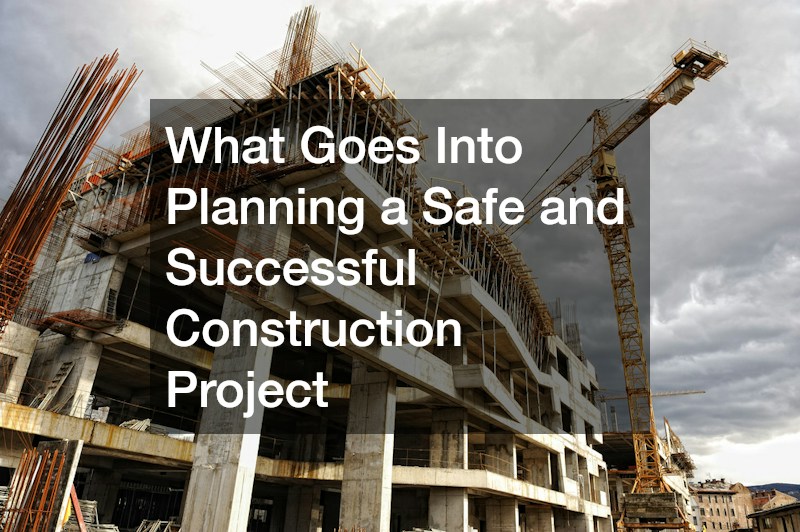
A successful construction project does not happen by accident. Before the first piece of equipment arrives or the first materials are delivered, project teams must make decisions about scheduling, budgeting, safety, materials, workers, waste, and site logistics. Careful planning creates a framework that helps everyone understand their responsibilities and reduces the likelihood of costly delays or preventable problems.
Whether the project involves a new commercial building, a renovation, an infrastructure improvement, or another major development, preparation is one of the most important stages. Understanding the site, establishing realistic goals, coordinating contractors, and anticipating potential challenges can make the construction process more organised from beginning to end.
In this article, we’ll explore the major considerations that go into planning a safe and successful construction project, from initial preparation and budgeting to worker safety, material management, scheduling, and final inspections.

Establish Clear Project Goals
Every construction project should begin with clearly defined objectives. Project owners and managers need to understand what they are trying to accomplish, what the finished structure should provide, and what limitations may affect the work. Without clear goals, it becomes much harder to develop an accurate budget or realistic timeline.
The planning process should establish the project’s scope, expected completion date, available budget, required materials, and performance expectations. It is also helpful to identify which aspects of the project are essential and which may be adjusted if circumstances change.
Clear objectives give contractors, architects, engineers, suppliers, and other professionals a common point of reference. They can also make it easier to evaluate proposed changes later in the project.
Evaluate The Construction Site
Understanding the construction site is another critical part of preparation. Before work begins, project teams should evaluate the property’s physical characteristics, existing structures, access points, utilities, drainage, surrounding properties, and other conditions that could affect construction.
Site access deserves particular attention. Large deliveries and construction equipment may need sufficient room to enter, turn, unload, and leave safely. If the site is difficult to access, transportation and delivery schedules may require additional planning.
The ground itself can also create challenges. Soil conditions, slopes, drainage patterns, and existing pavement may influence foundation work, grading, excavation, and other activities. Identifying these conditions early can help prevent unexpected complications after construction has started.

Build A Realistic Budget
Budgeting involves much more than calculating the cost of materials and labour. A comprehensive construction budget should account for permits, inspections, equipment, transportation, temporary facilities, waste removal, subcontractors, insurance, and potential changes.
Project managers should also consider contingency funds. Even well-planned projects can encounter unexpected conditions, such as material shortages, weather-related delays, damaged components, or unforeseen site conditions. A contingency budget provides some flexibility when these issues arise.
For example, a project requiring specialised materials may need additional funds for transportation or alternative products if the preferred supplies become unavailable. Planning for these possibilities can reduce pressure on the project when unexpected expenses occur.
Develop A Detailed Schedule
A construction schedule helps establish the order in which different activities need to occur. Some tasks cannot begin until others are completed, while other activities can happen simultaneously.
The schedule should identify major milestones, material delivery dates, inspections, subcontractor availability, equipment requirements, and expected completion dates. Project managers should also build reasonable flexibility into the schedule rather than assuming that every task will proceed perfectly.
Weather is an important consideration for many types of construction. Exterior work, excavation, concrete installation, roofing, and paving can all be affected by conditions such as rain, extreme temperatures, or storms.
A detailed schedule also improves communication. When everyone understands when their work is expected to begin, teams can coordinate labour and resources more effectively.

Prioritise Worker Safety
Safety should be integrated into the project from the earliest planning stages. Waiting until workers arrive on-site to think about safety can leave important hazards unaddressed.
Project leaders should identify potential risks and establish procedures for controlling them. These may include fall hazards, electrical risks, moving vehicles, heavy equipment, excavation areas, hazardous materials, and unstable structures.
Workers should receive appropriate training and understand the safety requirements for their roles. Personal protective equipment should be available when necessary, and emergency procedures should be communicated clearly.
The site should also be kept organised. Clearly marked work zones, appropriate signage, secure storage areas, and controlled access can help reduce confusion and prevent unnecessary exposure to hazards.
Coordinate Contractors And Subcontractors
Large construction projects frequently involve numerous professionals and specialised contractors. Architects, engineers, electricians, plumbers, roofers, equipment operators, material suppliers, and other teams may all have roles in the same project.
Strong coordination helps prevent one contractor’s work from interfering with another contractor’s responsibilities. For instance, plumbing, electrical, and mechanical installations may need to be coordinated before walls are closed or finishes are installed.
Working with reliable plumbing companies can help ensure that water, drainage, and related systems are properly integrated into the overall construction schedule.
Mechanical systems also require careful coordination. Bringing an experienced HVAC company into the planning process early can help determine equipment locations, ductwork requirements, ventilation needs, and installation timing.
Regular meetings and consistent communication can keep contractors informed about schedule changes, design revisions, safety concerns, and material deliveries.

Plan Material Procurement
Materials can significantly influence both the budget and schedule. A project cannot progress efficiently if essential materials are unavailable when workers need them.
Project managers should identify major materials early and determine their expected lead times. Some products may be readily available, while specialised components could require weeks or months to manufacture and deliver.
Storage also needs to be considered. Materials should be protected from weather, moisture, theft, and damage. They should also be stored in locations that allow workers to access them without creating additional safety hazards.
For projects involving structural or temporary construction needs, reliable commercial plywood supplies may be necessary to keep certain phases moving forward. Planning these purchases ahead of time can help avoid last-minute sourcing problems.
Manage Heavy Equipment And Transportation
Construction sites often depend on machinery such as excavators, cranes, loaders, forklifts, and other specialised equipment. Getting this equipment to and from the site safely requires planning.
Managers should determine which machines are needed, when they will be required, where they will operate, and how they will be transported. Equipment should not arrive substantially earlier than necessary if doing so creates unnecessary congestion.
Transportation can become particularly complicated when large or specialised machinery must travel long distances. Heavy equipment hauling may require specialised vehicles, route planning, permits, and coordination around site access.
Equipment operators should also be properly qualified for the machinery they use. Designated equipment areas and clearly established traffic patterns can help separate machinery from pedestrians and reduce the risk of accidents.
Provide Appropriate Temporary Facilities
Construction workers need access to basic facilities throughout a project. Temporary site services should therefore be incorporated into the initial plan rather than treated as an afterthought.
Sanitation is especially important when a permanent building is not yet operational. A construction porta potty rental can provide workers with convenient access to restroom facilities throughout different stages of construction.
Depending on the size and duration of the project, teams may also need temporary water supplies, handwashing stations, break areas, lighting, fencing, security measures, and temporary power.
Providing appropriate facilities supports worker wellbeing while helping the site operate in a more organised manner.
Plan For Waste And Debris
Construction generates substantial amounts of waste, including packaging, damaged materials, demolished components, scrap, and general debris. Without a waste-management strategy, these materials can quickly interfere with site operations.
Project managers should determine where waste will be collected, how it will be separated, and how frequently it will be removed. Keeping debris under control also has a safety benefit because loose materials can create trip hazards or obstruct access routes.
Roll off dumpster services can be incorporated into the construction schedule to provide designated locations for collecting larger quantities of project debris. Dumpster placement should be carefully considered so containers are accessible for workers and collection vehicles without interfering with construction activities.
Where possible, materials should also be reused or recycled. Separating recyclable materials from general waste can reduce the amount sent to landfills and may improve overall resource efficiency.
Consider Specialized Building Systems
Different parts of a construction project require specialised planning. Roofing, for example, involves considerations related to structural requirements, weather protection, drainage, materials, installation methods, and long-term maintenance.
For commercial properties, commercial roofing should be coordinated with other building systems and construction activities. Roofing work may also need to be scheduled around weather conditions and other exterior work.
Storage and protection requirements may also vary depending on the materials or systems installed at the site. In certain applications, tank protection may be an important consideration for preserving equipment and infrastructure from environmental or operational damage.
Specialised requirements should be identified during design rather than discovered after construction is underway. This gives contractors more time to select appropriate products, determine installation procedures, and coordinate their work with other trades.
Plan Exterior Site Work
Construction planning should extend beyond the building itself. Parking areas, driveways, access roads, walkways, drainage systems, landscaping, and other exterior features may all require specialised work.
The timing of exterior improvements is particularly important. Paving may need to occur after heavy construction traffic has decreased so finished surfaces are not unnecessarily damaged.
Project managers may need to coordinate with asphalt paving companies to determine appropriate installation timing, surface preparation, drainage considerations, and weather requirements.
Exterior site work should also be coordinated with utility installation and grading. Completing these tasks in the wrong sequence can result in unnecessary excavation, repairs, or delays.
Establish Quality Control Procedures
Safety and scheduling are essential, but quality should receive the same level of attention. Quality-control procedures help confirm that materials, workmanship, and completed systems meet the project’s specifications.
Inspections should take place throughout construction rather than only at the end. Catching a problem while a particular phase is still underway is generally easier than discovering it after surrounding work has been completed.
Documentation can also be valuable. Project teams may maintain records of inspections, material deliveries, approvals, measurements, changes, and completed work.
Experienced professionals can bring valuable perspectives to this process. For example, the business experience of individuals such as Robert Granieri, an entrepreneur, can illustrate how planning, organisation, and practical decision-making can contribute to managing complex projects and business operations.
Prepare For Changes And Delays
Even the most detailed construction plan may need to change. Material availability, weather, site conditions, design revisions, labour shortages, or unexpected discoveries can affect the original schedule.
The goal should not be to eliminate every possible change. Instead, project teams should create processes for managing changes responsibly.
When a change is proposed, managers should consider its impact on cost, schedule, safety, materials, and other contractors. Changes should also be documented so everyone understands what has been approved and how it affects the project.
Maintaining open communication can make unexpected problems easier to manage. When issues are identified early, project leaders have more opportunities to adjust schedules and resources before small problems become larger disruptions.
Maintain Strong Communication
Communication connects every other part of construction planning. Even an excellent schedule or budget can become ineffective if important information does not reach the people who need it.
Project managers should establish clear communication channels before work begins. Team members should know who is responsible for approvals, safety decisions, scheduling updates, material coordination, and emergency communication.
Regular meetings can provide opportunities to review progress and identify upcoming challenges. Written documentation is equally important because verbal instructions can be misunderstood or forgotten.
Clear communication with suppliers is also essential. Delivery dates, quantities, specifications, and site-access requirements should be confirmed ahead of time whenever possible.
Complete Thorough Final Inspections
The planning process does not end when construction activities are finished. Before a project is officially turned over, the team should complete final inspections and address outstanding issues.
A final walkthrough can identify incomplete work, damaged finishes, equipment problems, or other items requiring correction. Required inspections and approvals should also be completed before the building or site is placed into its intended use.
Project documentation should be organised at this stage as well. Owners may need warranties, equipment information, maintenance instructions, inspection records, permits, and other documents for future reference.
A thorough closeout process gives the owner a clearer understanding of the completed project and helps establish a foundation for ongoing maintenance.
Build Success Into The Planning Process
Safe and successful construction depends on decisions made long before the finished project is visible. Clear goals, careful site evaluation, realistic budgeting, detailed scheduling, worker safety procedures, contractor coordination, material planning, equipment management, waste control, quality assurance, and communication all contribute to a more organised construction process.
No project can eliminate every possible challenge, but thorough preparation can make those challenges easier to anticipate and manage. When project teams take time to plan each phase carefully, they create a stronger foundation for completing work safely, efficiently, and according to the project’s requirements.
Whether a project is large or small, the same principle applies: better preparation creates better opportunities for construction success. By treating planning as an essential part of the project rather than a preliminary formality, owners and contractors can work toward safer sites, smoother schedules, stronger coordination, and results that meet the needs of the people who will ultimately use the finished space.