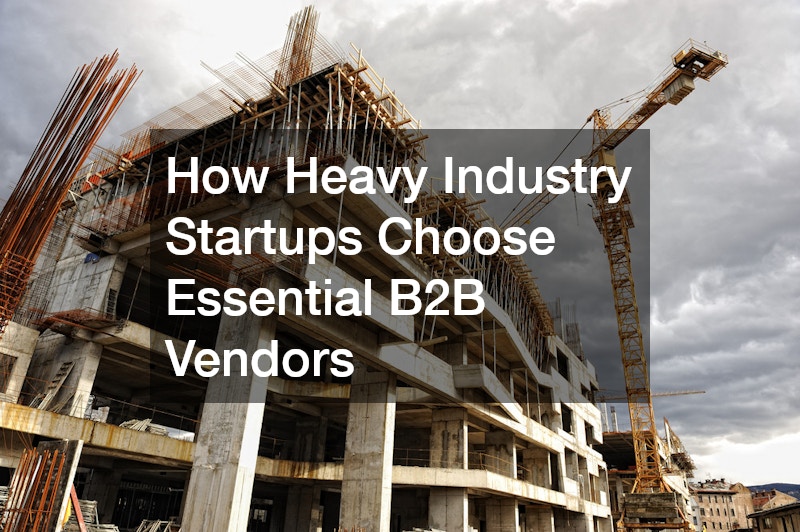
Launching a business in the heavy industry, infrastructure, or commercial development sectors is a fundamentally different beast than starting a tech company or a retail boutique. In the digital world, a software bug can be patched in an afternoon. In the industrial world, a single broken supply link, an unvetted subcontractor, or an interrupted fuel delivery can halt multi-million dollar projects, trigger catastrophic municipal fines, and drain your startup capital before you even clear your first acre of land.
For the industrial entrepreneur, operations are a high-stakes jigsaw puzzle. Every piece must fit perfectly, and every partner must be completely reliable. Success depends on your ability to build a bulletproof network of business-to-business vendors who understand the tight margins, rigorous safety standards, and strict regulatory environments of your field.
This guide provides a comprehensive blueprint for identifying, vetting, and managing the niche service providers and suppliers that will form the backbone of your operations. By approaching procurement with a strategic, analytical mindset, you can transform your supply chain from a constant source of anxiety into your primary competitive advantage.
1. Formulating a Strategic Sourcing and Procurement Plan
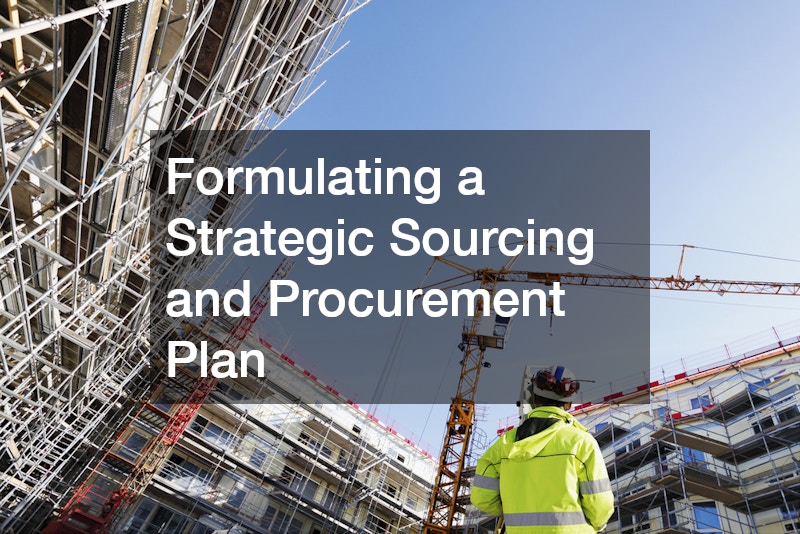
Too many industrial startups treat procurement as an afterthought, scrambling for vendors only when a specific need arises on the job site. A truly resilient business maps out its entire operational ecosystem months before breaking ground. Your first step is to categorize your needs into capital expenditures, ongoing operational supplies, and specialized service agreements, allowing you to allocate your cash flow efficiently.
When building this blueprint, smart founders look for a balance between large-scale market leaders and agile local specialists. For major projects that require massive machinery or rare equipment configurations, you will need to establish master service agreements with national or regional crane companies that possess the deep fleet capacity to handle heavy-lifting milestones. However, large corporations often come with bureaucratic red tape and rigid scheduling parameters.
To maintain operational agility, you should simultaneously secure a relationship with a dependable local crane company that can respond immediately to sudden scheduling shifts, emergency maintenance needs, or smaller daily lifting tasks. This dual-sourcing strategy protects your timeline from administrative bottlenecks while keeping your baseline costs manageable.
2. Navigating Capital, Legal, and Property Logistics
The sheer volume of capital required to secure industrial real estate, purchase heavy machinery, and obtain environmental permits introduces massive financial risk to an early-stage company. When you are dealing with transactions worth hundreds of thousands or millions of dollars, standard business checking accounts and casual handshakes are entirely out of the question. You must implement strict financial guardrails to protect your liquid capital during prolonged negotiation and verification phases.
Before any funds permanently leave your accounts for a land acquisition or a major facility lease, you must verify that all municipal zoning permits are in order, environmental impact clearances are approved, and title deeds are entirely unencumbered. Utilizing an independent, industrially experienced escrow company acts as your primary shield against transaction fraud or vendor default. By placing your milestone payments and earnest money deposits into a secure neutral account, you ensure that funds are only distributed when every legal and structural condition of the contract has been met. This disciplined financial approach keeps your startup safe from predatory practices and ensures that your initial funding is preserved for actual operational growth.
3. Securing On-Site Energy and Fuel Infrastructure
An industrial site without a reliable, continuous power supply is nothing more than an expensive parking lot. Whether you are running a fleet of earthmovers, operating a manufacturing plant, or maintaining a massive storage yard, calculating and securing your energy lifelines is a foundational task that must be resolved prior to launch.
For your primary mobile assets, heavy trucks, and heavy yellow iron, you cannot rely on retail gas stations or erratic public fueling points. You must negotiate long-term wholesale supply contracts with commercial bulk fuel suppliers who can install dedicated, compliant fuel farms directly on your property and maintain a strict replenishment schedule. This guarantees that your fleet never sits idle due to preventable fuel starvation.
For your auxiliary power needs, warehouse climate control, and specialized equipment like forklifts or localized heating systems, you will need a separate, highly flexible utility strategy. Partnering with a trusted local propane company allows you to set up customized cylinder exchange programs or on-site storage tanks tailored specifically to your daily facility usage. Managing these dual energy streams efficiently protects your startup from seasonal price spikes and ensures total operational continuity.
4. Mastering Civil Site Preparation and Utility Integration

Before a single foundation can be poured or a single warehouse wall erected, raw land must undergo a radical transformation. Civil site preparation is a highly regulated, physically demanding phase of business development where mistakes can lead to shifting foundations, broken underground utility lines, and severe environmental lawsuits.
The first phase of preparing any commercial plot involves clearing surface obstructions and managing the local flora in accordance with municipal preservation laws. Hiring a professional commercial tree removal company ensures that timber is cleared safely, stumps are completely eradicated to prevent future soil instability, and biomass is disposed of or recycled legally.
Once the surface is clear, your focus must immediately pivot to subsurface infrastructure and wastewater management, which are critical for heavy industrial operations. You must collaborate with an experienced lift station company to design, excavate, and install the necessary underground pumps and valves required to transport your facility’s wastewater and industrial runoff to municipal treatment centers. Getting these utilities integrated correctly from day one prevents costly retrofits and environmental contamination issues down the road.
5. Heavy Transport, Machinery Supply, and Logistics
Logistics for an industrial business go far beyond standard parcel shipping or basic freight forwarding. When your business model relies on moving massive volumes of raw materials or transporting oversized components, you have to think about multi-modal transportation networks and specialized machinery maintenance.
If your facility processes heavy commodities, integrating your yard with national rail networks can drastically lower your long-term shipping costs. To achieve this, you will need to contract a dedicated railroad track service company to lay down custom rail spurs, install switches, and perform the mandated safety inspections required to bring freight cars directly to your loading docks.
In addition to transport networks, you must maintain the heavy machinery responsible for shaping your physical environment. Earth-moving equipment, bulldozers, and graders face immense abrasive wear during daily operations, meaning you must have an established pipeline for high-quality replacement parts. Sourcing your cutting edges from a specialized grader blade manufacturing company ensures that your fleet retains its operational precision and structural integrity, reducing equipment downtime and maximizing the efficiency of your site-leveling activities.
6. Implementing Sustainable Waste and Material Recovery
Modern industrial startups cannot afford to view waste management as simply a matter of paying for a dumpster to be hauled away. Environmental regulations are tighter than ever, and consumers, investors, and local governments increasingly favor companies that demonstrate clear sustainability metrics. Furthermore, industrial waste often contains highly valuable materials that can be reclaimed to offset your operational expenses.
Implementing a strict material recovery program within your manufacturing or assembly processes can fundamentally alter your bottom line. By partnering with a commercial-grade steel recycling company, you can transform your manufacturing offcuts, obsolete structural beams, and scrap metal waste into a consistent stream of secondary revenue. Rather than paying steep landfill tipping fees, your startup gets paid for its byproducts, creating a highly efficient circular economy within your daily operations. This proactive approach satisfies environmental, social, and governance compliance standards while providing a welcome buffer for your operating budget.
7. Evaluating Vendor Financial Health and Operational Longevity

When you choose a B2B partner in the industrial sector, you are tying your startup’s reputation and operational survival to their financial stability. If a critical component supplier or specialized contractor files for bankruptcy in the middle of your project, the resulting delays can cause a catastrophic domino effect across your entire business. Therefore, your vetting process must include a deep, uncompromising look into a vendor’s financial records and historical performance.
Never hesitate to request audited financial statements, credit references, and proof of long-term banking relationships from your prospective partners. Look closely at their current debt loads, their litigation history, and their staff retention rates. A vendor that is struggling to pay its own sub-tier suppliers or is constantly rotating through project managers is a massive liability. You want to partner with established businesses that possess the capital reserves to weather economic downturns, supply chain shocks, and unexpected spikes in material costs, ensuring they will be around to fulfill their contractual obligations to your startup for years to come.
8. Mastering Service Level Agreements and Contractual Guardrails
A handshake agreement or a vague, one-page estimate is a recipe for disaster in heavy industry. Every single partnership you form must be governed by a highly detailed, legally binding contract that explicitly outlines performance benchmarks, response times, and financial penalties for non-compliance. These documents, known as Service Level Agreements, protect your startup from vendor apathy and scope creep.
When drafting these contracts, avoid generalizations at all costs. Instead of stating that a vendor must provide “timely maintenance,” specify that they must have a technician on your site within four hours of an emergency call, twenty-four hours a day, seven days a week. Define exact metrics for material quality, delivery windows, and safety compliance. Most importantly, build clear financial remedies directly into the contract, such as liquidated damages or automatic discounts, if a vendor fails to meet their agreed-upon timelines. This aligns the vendor’s financial incentives directly with your operational success.
9. The Request for Proposal Process and Transparent Pricing
To get the best possible value from your B2B network, you should never accept the first quote that lands on your desk. Implementing a structured Request for Proposal process forces vendors to compete for your business, driving down costs and uncovering hidden fees that might otherwise go unnoticed.
When writing an RFP, provide highly detailed technical specifications, project timelines, and volume expectations so that every vendor is bidding on the exact same scope of work. Require all respondents to utilize an itemized pricing model, breaking down labor, materials, fuel surcharges, environmental fees, and administrative costs into separate line items. This granular transparency prevents vendors from burying inflated margins in a single lump-sum figure. Once the proposals are submitted, build a comparative matrix to evaluate the bids side-by-side, analyzing not just the final cost, but the value, warranties, and experience each partner brings to the table.
10. Developing a Vendor Scorecard System for Continuous Improvement
Sourcing your B2B network is not a one-time task that ends when the contracts are signed. To maintain peak operational efficiency, your startup must implement a continuous evaluation framework to track vendor performance over time. A vendor scorecard system provides an objective, data-driven method for managing these relationships.
Establish a set of key performance indicators that are reviewed by your operations team on a quarterly basis. These metrics should track delivery accuracy, adherence to project timelines, response times for customer service requests, safety incidents, and invoice accuracy. Share these scorecards directly with your vendors during regular review meetings. This practice does two things: it gives your high-performing partners the recognition they deserve, reinforcing a positive relationship, and it provides clear, undeniable documentation if an underperforming vendor needs to be put on a corrective action plan or replaced entirely before they cause systemic damage to your business.
By approaching procurement as a core strategic discipline rather than an administrative chore, you protect your business from catastrophic downtime, legal liabilities, and financial waste. Take the time to build a diverse, robust supply chain that balances regional agility with large-scale capability. Craft airtight contracts, demand total financial transparency, and continuously hold your partners accountable through objective, data-driven evaluation systems.
As your startup matures, you will find that these rigorous procurement practices do more than just mitigate risk; they foster deep, mutually beneficial partnerships with elite service providers who are genuinely invested in your growth. In the heavy industries, you are only as strong as your weakest link. Treat your vendors as strategic extensions of your own team, build a resilient operational ecosystem, and you will position your new enterprise for decades of sustainable, highly profitable market leadership.